
Rolling the Bones Down Under: A Guide to the Best Tables
The clatter of dice hitting a green felt table carries a particular rhythm, one that cuts through the low hum of pokies and the murmur of high-rollers nursing cocktails. Down here, where the heat shimmers off the bitumen and the salt air works its way into everything, the craps table feels like a pocket of old-school theatre tucked inside a modern casino floor. Australians have always had a soft spot for a game that rewards nerve as much as luck, and the slow, deliberate cadence of a craps round suits our preference for games that let you read the room before you throw your chips in. It is not the fastest game in the building, but it is certainly one of the most rewarding when you know how to read the table and pace your bets.
Finding a proper table with decent limits and a fair pace can feel like chasing a decent flat white on a Sunday morning in peak hour. The local scene has matured considerably over the past decade, with regional operators tightening their games and interstate venues borrowing tricks from the bigger markets. Regulation has kept a tight leash on the floor, and that means the tables you sit down at are generally well-maintained, with dealers who know their maths and a pit boss watching the flow like a hawk. Still, not every venue treats the game with the same respect, and knowing where to put your money separates a proper session from a frustrating afternoon spent watching the puck slide back and forth without a decent run.
We have spent plenty of time watching the rhythm of the floor, tracking which tables keep the action moving and which ones stall out after a couple of cold rolls. The best setups combine fair odds, a patient dealer, and a crowd that knows when to let a shooter run without breathing down their neck. If you are after a game that lets you mix strategy with a bit of old-fashioned nerve, you will want to know which venues and setups deliver the goods. Below, we walk through what separates a decent table from a world-class one, with a few notes on where the locals are rolling and how the bigger operators are shaping the market.
The Dice, The Felt, and the Aussie Pace
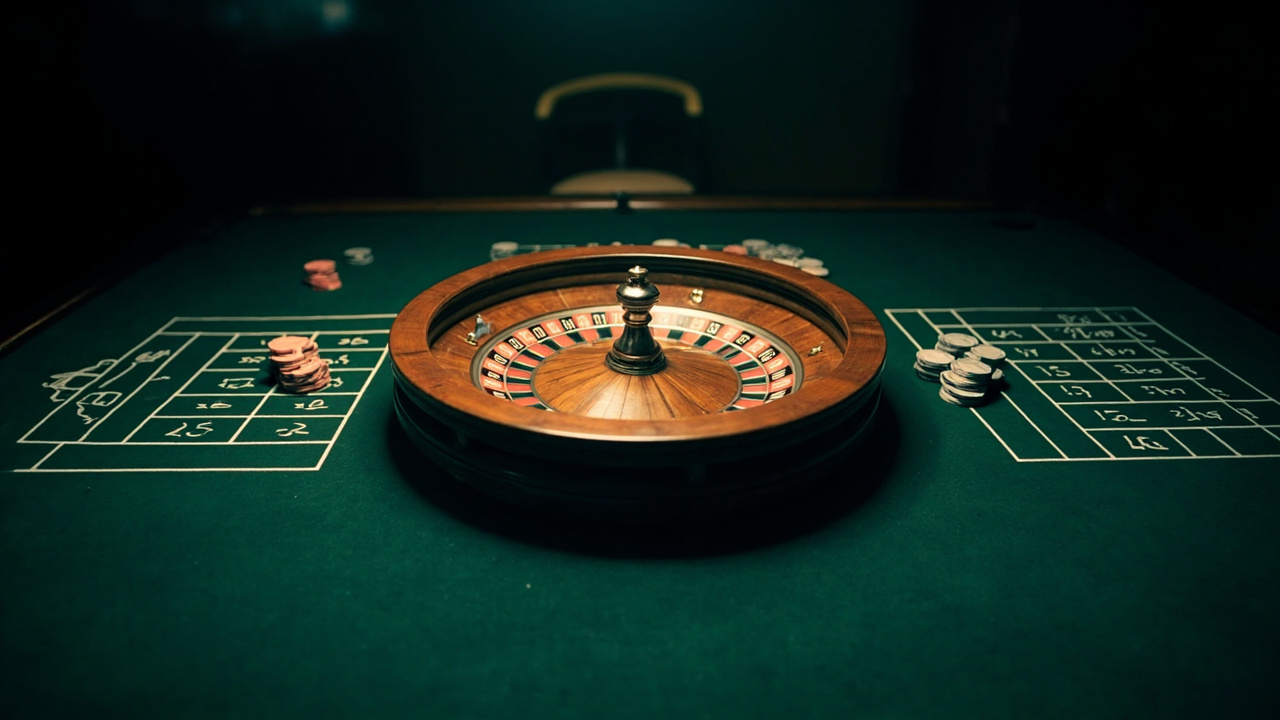
A craps table looks like a green battlefield, but the real action happens in the small moments between rolls. The stickman moves the dice across the table with a flick of the wrist, the dealer calls out the numbers in a flat, practiced tone, and the puck sits on the backline until the next shooter steps up. Australians tend to favour tables where the pace is steady rather than frantic, because a rushed game turns into a money pit faster than a busted hand in blackjack. You want a floor where the dealers have time to explain the proposition bets without making you feel like you are holding up the line.
While the rhythm of the dice may feel like chance, seasoned players know that bankroll management dictates the long game. Keeping a strict budget for your session is crucial, a principle many Australian punters discuss in depth at this Aus finance community. Ultimately, walking away with your winnings often matters more than the final roll.
The feel of the table matters more than most punters admit. A well-leveled surface, crisp dice that hit with a clean rattle, and a felt that has not been ground down by a thousand desperate palms all make a difference to how the game plays out. You can spot a properly maintained table by the way the dice settle after a hit and the way the puck slides without catching on a worn seam. It is the sort of detail that separates a venue that treats its game as an afterthought from one that keeps the floor in fighting condition.
Local operators have learned that a smooth table keeps the crowd engaged longer, and longer engagement usually means steadier handle. You will notice the difference on a busy Friday night when the floor is packed and the dealers are moving with a practiced rhythm that keeps the puck cycling without dragging. A good table does not need flashy lighting or a gimmicky layout; it just needs clean mechanics, a patient dealer, and a crowd that knows when to let a hot shooter run.
Reading the Table Layout Without the Headache
The layout can look like a colourful maze to anyone who has not spent a few sessions watching the puck move, but the core bets sit in plain sight once you know where to look. The pass line and don’t pass line form the backbone of the game, and the come and don’t come areas sit just past the centre where the action tends to build. Australians who walk up to a table for the first time often gravitate toward the centre props because they look flashy, but the smart money usually starts along the edges where the odds are cleaner and the house edge stays contained.
A good table layout is one that lets you place your chips without wrestling for space, and that matters more than it sounds when the floor gets busy. You want a layout where the stickman has room to work the dice and the dealer can move the chips without colliding with the next shooter’s stack. A cramped layout turns a simple bet into a fumble, and fumbles cost time, which costs money when the table is rolling.
The best venues keep the layout clean and the signage clear, so you can spot the odds bet area and the proposition rows without leaning in like you are trying to read a faded menu board. A tidy table also makes it easier for a new player to watch a round or two before stepping in, which is how most locals learn the rhythm anyway. You pick up the cadence by watching the puck, listening to the call, and noting which bets catch the eye of the regulars.
Where the Odds Actually Work for You
The odds bet is the one part of craps where the house edge drops to zero, and that is why seasoned players keep pushing chips behind their pass line once the point is set. It is a simple idea, but it takes discipline to lay the right amount and not get carried away when the table turns hot. Australians generally appreciate a bet that pays fair because we have seen enough shady propositions to know when a bet is dressed up to look better than it is.
The trick is to size the odds bet to your bankroll and the table limits, not to the mood of the moment. A player who lays double odds on a modest pass line bet is playing a different game from the one who stacks the centre props and hopes the dice remember their favour. The odds bet rewards patience, and patience is a commodity that goes a long way on a crowded floor where the dealers are calling the numbers and the crowd is leaning in.
You will find that the tables worth sitting at are the ones where the odds bet is honoured without fuss and the dealer can lay the chips quickly without making you wait through three more rolls. A smooth odds payout keeps the game moving and keeps the player engaged, which is why the better venues treat it as a core part of the table operation rather than an afterthought.
Table Limits and the Local Punter
Limits are the quiet gatekeepers of the game, and they shape the whole session more than most players realise before they sit down. A table with a low minimum and a reasonable maximum gives a local punter room to manage the bankroll without feeling squeezed out by a single bad run. Australians tend to prefer limits that let them play a proper session over a quick fling, because a game that is too tight pushes you into betting sizes that do not match your style.
The local market has seen a range of limits across the floors, with some venues catering to the casual crowd and others setting their tables for players who want a bit more room to move. It is worth checking the posted limits before you take a seat, because a table that looks busy can still be a poor fit if the minimums are higher than your comfort zone. A good match between your stake and the table limits keeps the session enjoyable and keeps you from making rushed decisions.
Regional operators have been adjusting their limits to suit the local crowd, and that has made the game more accessible in places that used to legalsepiacci.com run tighter tables. You can find decent limits in the bigger venues and a few surprising spots in the smaller markets, which is why it pays to have a look at the floor before you commit your chips. The right limit is the one that lets you play your game without feeling like you are borrowing money from the table.
How Operators Shape the Floor
The operators who run the better tables tend to treat craps as a proper game rather than a filler between the pokies and the VIP lounge. That means trained dealers, a stickman who can call the numbers cleanly, and a pit crew that keeps the table moving without rushing the shooter. Australians notice the difference quickly, because a poorly run table turns into a grind and a well-run one keeps the action lively without feeling chaotic.
Joe Fortune has stood out as one of the leaders of the Australian market in the comparison table, largely because the operator has kept its tables in solid condition and maintained a pace that suits the local crowd. The venue’s approach to the game reflects a broader trend among the bigger operators, who have learned that a well-run craps table can draw a steadier crowd than a flashy setup that falls apart after a few rounds. It is the sort of operation that treats the table as a centrepiece rather than a decoration.
The better operators also pay attention to the surrounding floor, making sure the craps area has enough room for players to stand back and watch a round without getting jostled by the walkway traffic. That kind of planning matters on a busy night, when a cramped table can turn a decent session into a frustrating one. A thoughtfully laid floor keeps the game comfortable and the crowd engaged, which is why the top operators keep investing in the space around the table.
Reading the Dealers and the Stickman
A craps table is only as good as the people running it, and the dealer and stickman set the tone for the whole session. A clean call, a quick payout, and a dealer who can handle the bets without dropping chips all make the game smoother and more enjoyable. Australians tend to appreciate a dealer who keeps the rhythm steady and does not try to hurry the shooter, because a rushed table turns into a sloppy one faster than you can lay a bet.
The stickman is the conductor of the game, moving the dice and calling the numbers in a way that keeps the round flowing. A good stickman knows when to let a hot shooter run and when to tighten the pace if the table is dragging. You can tell a lot about a table by the way the stickman handles the dice and the way the dealer lays the payouts without making you wait through a stack of unnecessary motions.
The best venues train their staff to handle the table with a steady hand, and that shows in the way the game feels from the moment you step up. A well-run table has a calm centre even when the crowd is loud, and that calm is what lets a player focus on the bets instead of the chaos around them. It is the sort of detail that separates a decent night from a memorable one.
Picking Your Spot on the Floor
Choosing where to sit is half the battle, because a good table in a bad spot can feel like a bad table in a good spot. You want a position where you can see the layout clearly, hear the call, and keep an eye on the puck without leaning over the rail. Australians who know the game usually pick a spot that gives them a clear line to the centre and enough room to place their chips without wrestling with the next player.
The crowd around the table matters as well, because a table full of players who know when to step back and let a shooter run is a different experience from one where everyone is shouting advice and crowding the rail. A calm crowd keeps the game steady, and a steady game gives you a better chance to play your bets without getting swept up in the noise. You can spot a good crowd by the way they watch the puck and the way they let the dealer do the work.
It helps to watch a table for a round or two before you commit, because the rhythm of the floor tells you more than the posted limits ever will. A table that is moving cleanly, paying out without fuss, and keeping the crowd engaged is usually worth a seat, while a table that is dragging or crowded with confused bets is best left for another night. The right spot is the one that lets you play your game and enjoy the roll.Themercury
Finding a proper table often comes down to knowing where the locals are rolling and which operators keep their floors in good nick. The scene has shifted over the years, with more venues paying attention to the game and more players knowing what to look for before they throw their chips in. If you are keen to compare the operators that have earned a decent name on the floor, it is worth having a look at the broader market and the lists that track the local scene, such as the roundup at 21 bit no deposit bonus. The better tables are out there, and a bit of legwork before you sit down usually pays off in a smoother session.
The rhythm of the floor changes from one venue to the next, and that is part of the appeal for players who like to watch how a table runs before they commit. Some floors keep the game moving with a steady crowd and a patient dealer, while others let the table drag and turn the session into a waiting game. Australians who enjoy craps tend to favour the tables that keep the pace honest, because a fair pace gives you a better chance to play your bets without getting rushed or bored.
If you want to keep an eye on how the local scene is shaping up, it helps to follow the outlets that cover the market with a steady eye, like the reporting over at Mercury. The floor is always moving, and the tables that hold their ground are the ones that treat the game with the respect it deserves. A bit of attention to the scene goes a long way when you are trying to find a table that suits your style.21 bit no deposit bonus
Money management on the floor gets a lot of talk in the finance corners, and the same discipline that keeps a bankroll steady on the markets tends to work well at the craps table. The players who last are the ones who know when to lay the odds, when to step back, and when to walk away from a cold run without turning it into a battle. If you are keen to see how other locals talk about managing their stakes and pacing their sessions, the chatter over on Reddit’s Australian finance board offers a decent window into the mindset that carries over from the markets to the table.
The game rewards patience and a clear head, and the tables that keep the action fair are the ones worth returning to. A good session comes down to picking the right table, reading the crowd, and laying your bets with a bit of discipline, which is how most locals have always played the game. The dice will do what they do, but the player who knows the table and the rhythm has a better chance of enjoying the roll.